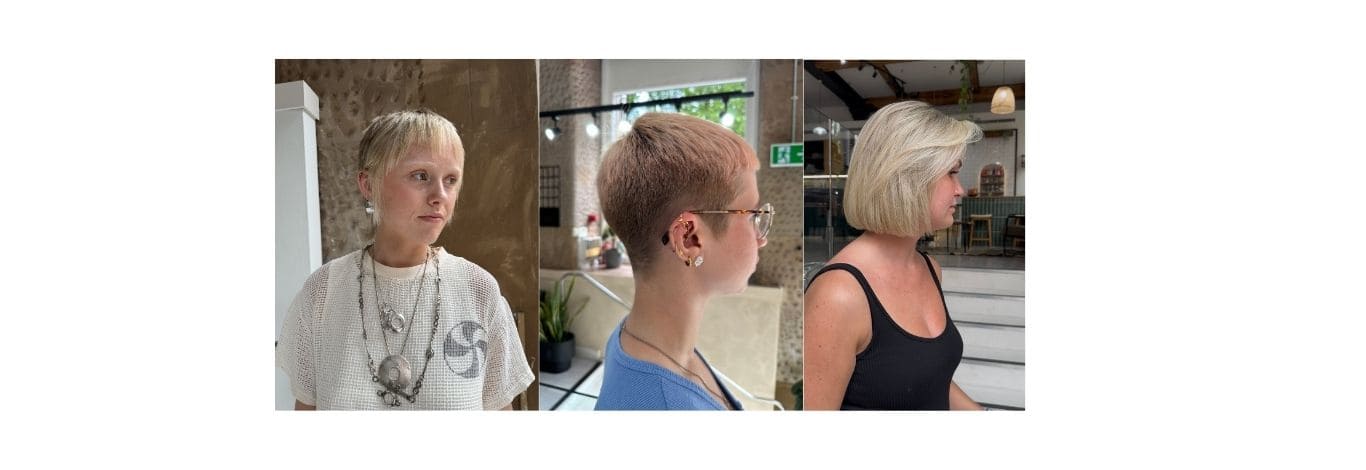
In this article, I’m going to break down each haircut, explain what they are, and explore the different variations.
With bixie haircuts being so popular at the moment, I’m finding that clients are often showing me photos of different styles of bobs, and sometimes even pixie haircuts, while calling them a bixie. I think trends can sometimes get the better of us, and people start using buzzwords for engagement rather than describing what the hairstyle actually is.
So, what is a bixie haircut?
A bixie haircut is a cross between a pixie cut and a bob.
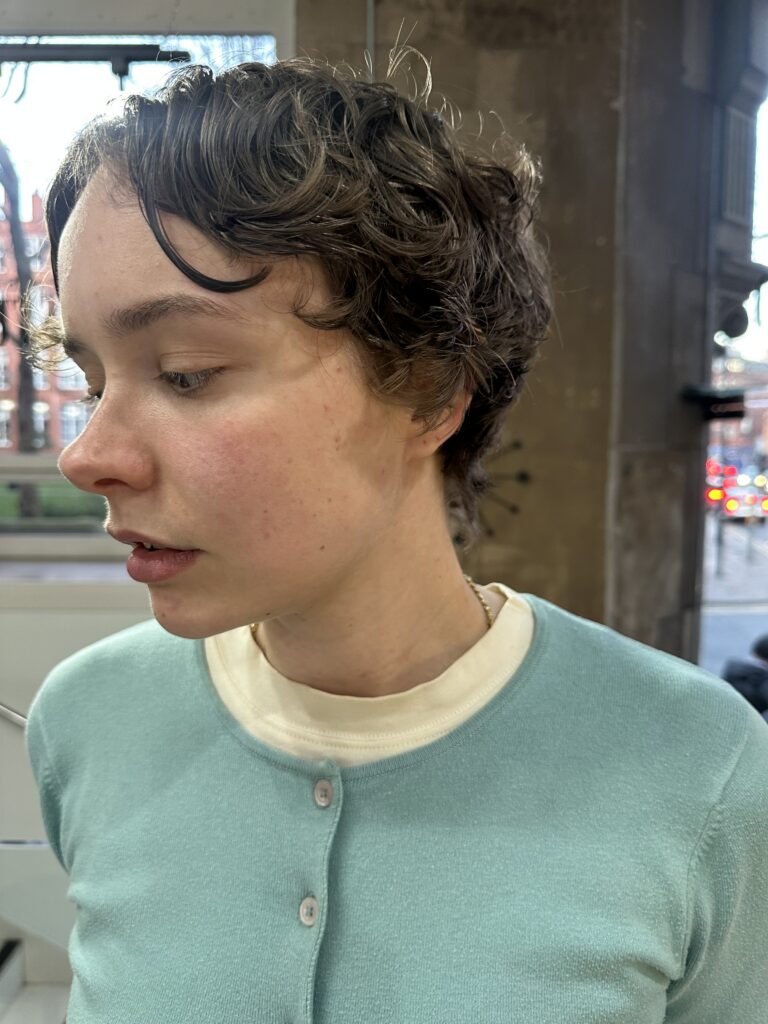
So, where does the pixie cut come into play? You may notice that a lot of the popular “bixie” shapes are actually grown out pixie cuts. This is where the hair has grown over the ears, the hairline is softer and longer, and the overall shape feels less cropped while still giving you that short hair look.
So, where does the bob come into play? When creating a bixie haircut, you’re following the shape of the head and layering the hair so it sits beautifully with plenty of texture, while still maintaining a neat silhouette. It creates volume through the crown, much like a textured bob would, but with the softness of a grown out pixie.
The Bob
The bob is an all-time classic, and there are so many different variations.
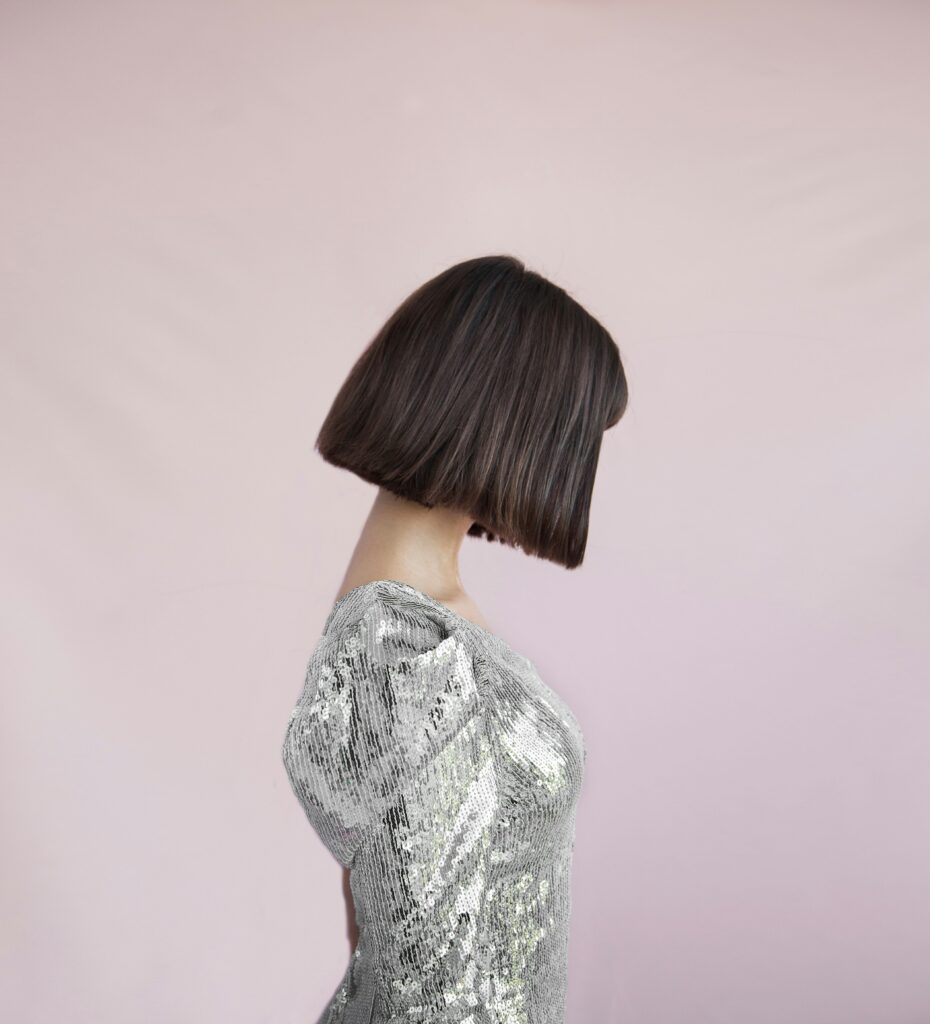
One Length Square Bob
This is the same length all the way around with no layers, creating a strong, blunt finish. It’s most commonly worn at jaw or chin length.
A Line Bob
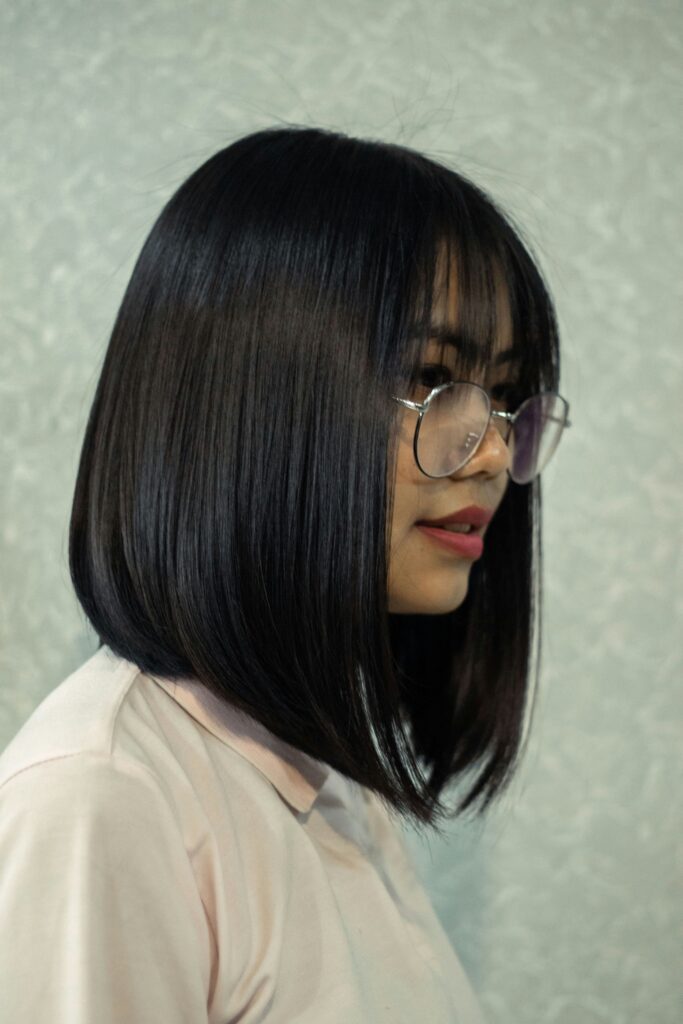
An A line bob is shorter at the back and gradually becomes longer towards the front. It can be cut as a one length style or with layers added for more movement. This style works beautifully at chin, jaw or collarbone length.
Graduated Bob
A graduated bob is layered at the nape of the neck, building weight towards the occipital bone before becoming longer towards the front. The front can be cut square, but it’s more commonly angled in a similar way to an A line bob. This style is usually worn around jaw or chin length.
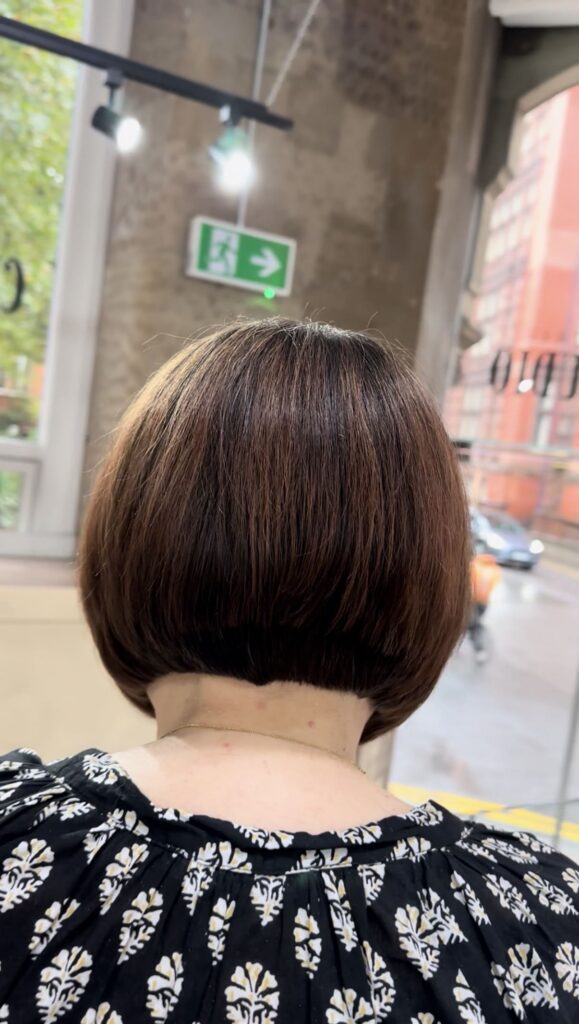
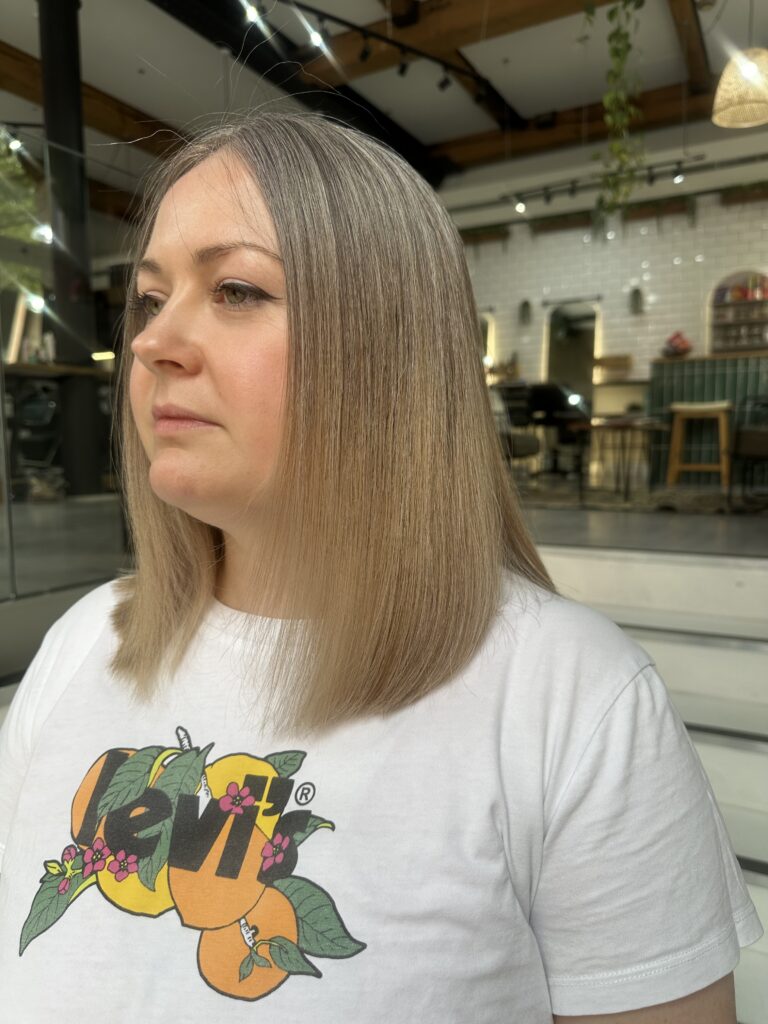
Collarbone Length Bob
This can be cut square or slightly longer towards the front. It’s a softer, longer version of the classic bob and is a great option if you’re trying shorter hair for the first time.
One Length Round Bob
This variation carries more weight through the back while becoming slightly shorter towards the front. It’s particularly flattering at chin or jaw length.
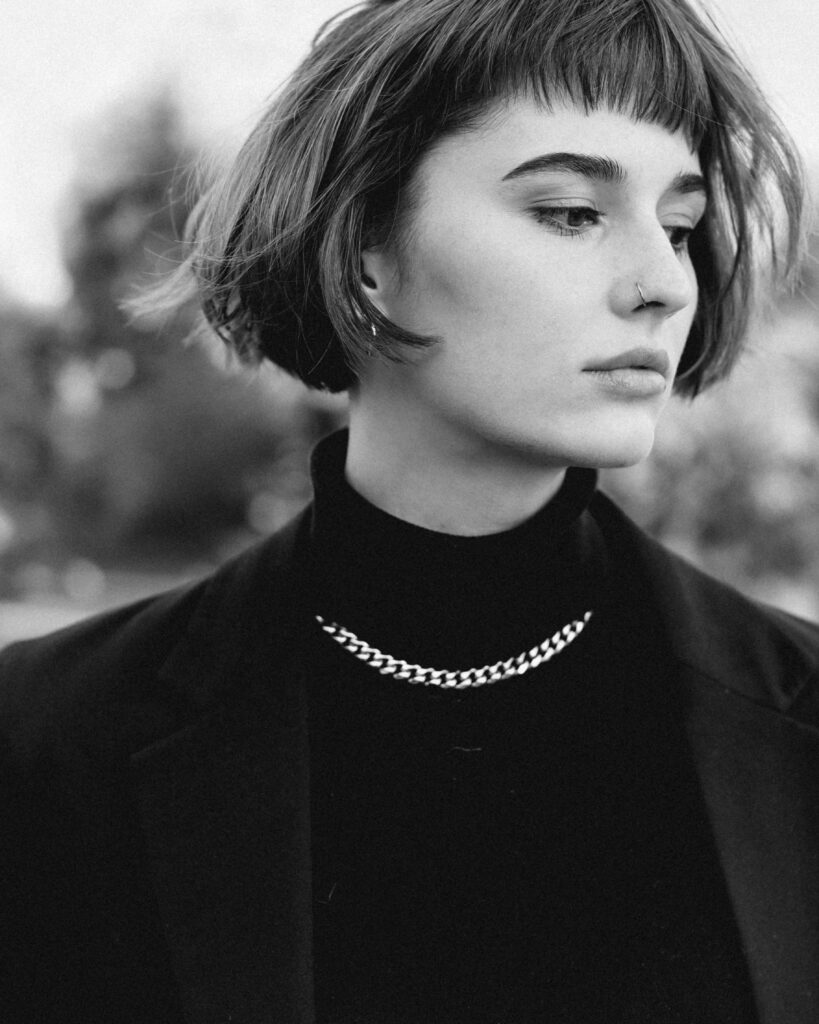
The Pixie
Pixie haircuts are bold and often make a real statement.
Classic Pixie
Short around the back and sides, with a little more length on top and a short fringe. It’s neatly tapered around the ears and hairline for a polished finish.
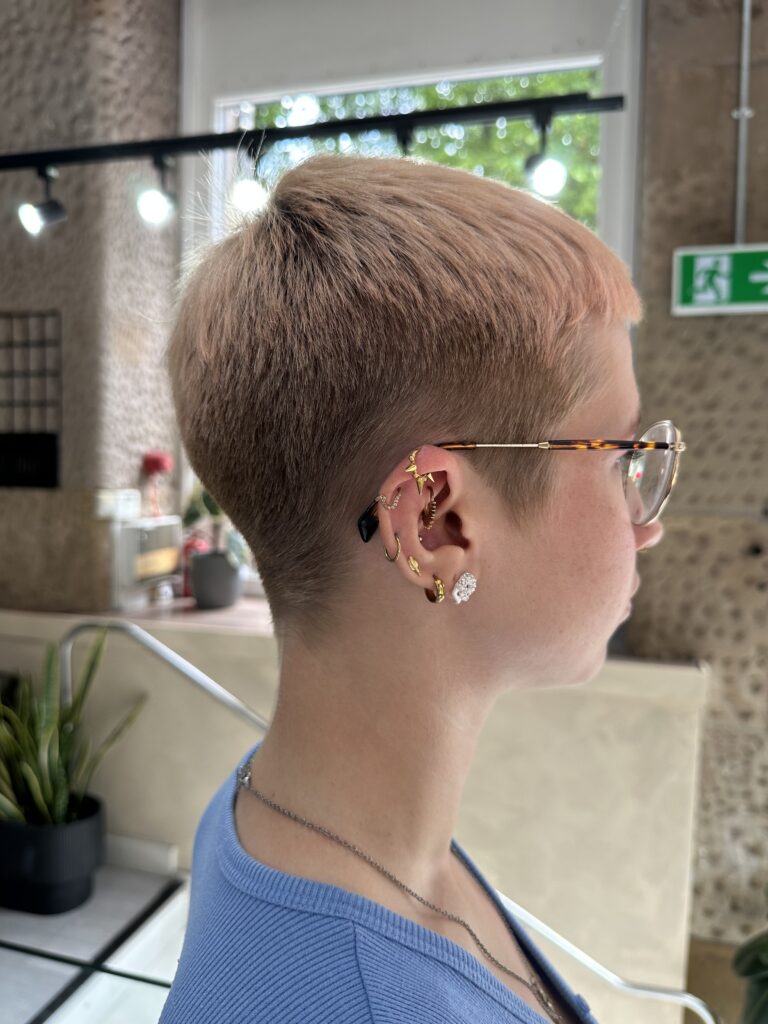
Textured Pixie
Still short around the back and sides, but with more length on top to create texture and a softer, more effortless finish.
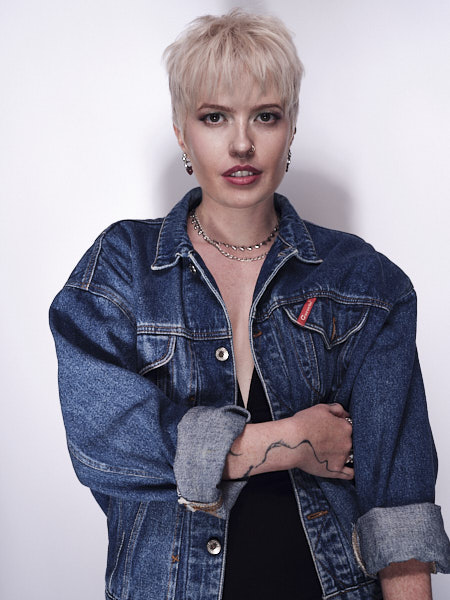
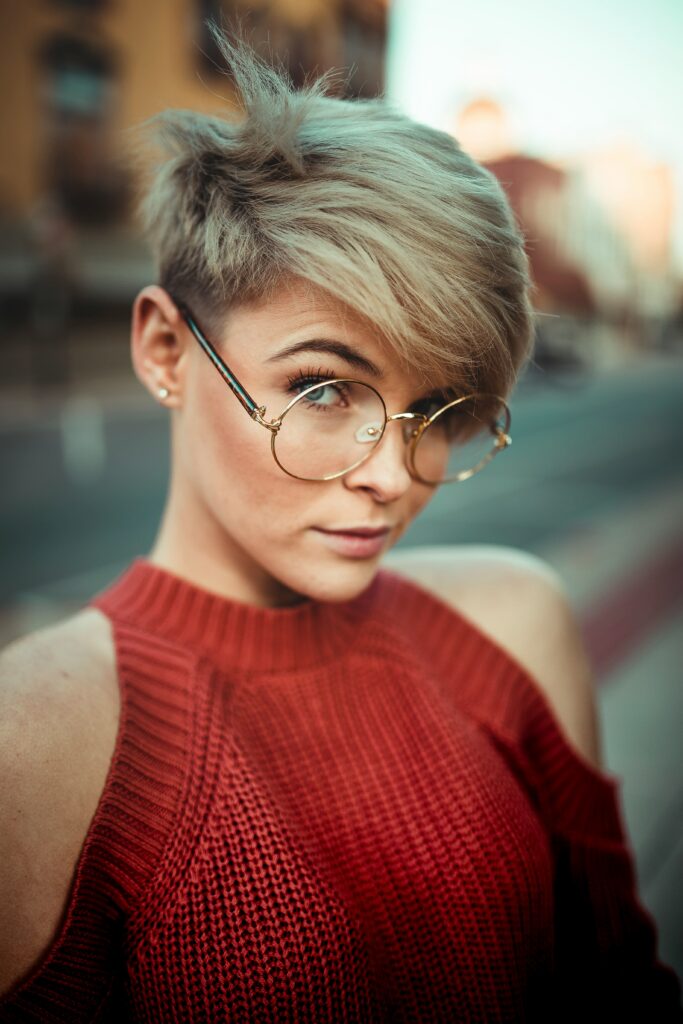
Asymmetrical Pixie
Short around the back and sides, with a longer fringe sweeping across to one side.
The Bixie
The bixie has proved to be one of the most popular haircuts of 2026. It’s the perfect blend of a pixie and a bob, giving you the best of both worlds.
Classic Bixie
Soft layers with extra length around the ears and at the nape, creating a seamless shape with no harsh lines.
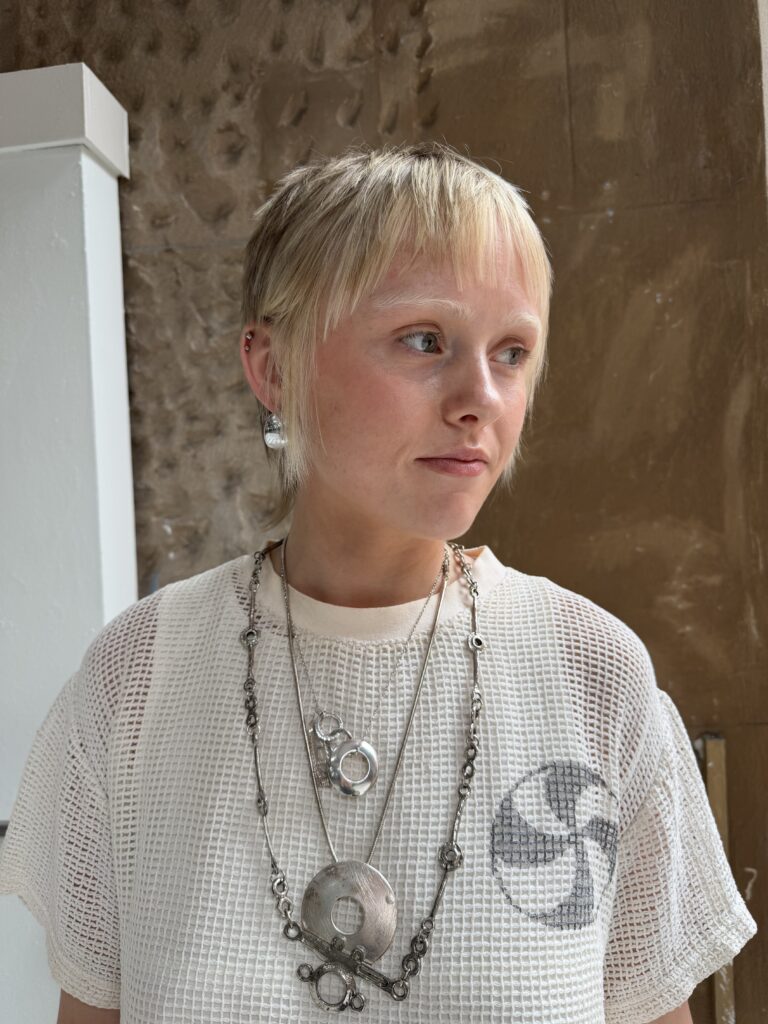
Shaggy Bixie
Still soft around the ears and nape, but with much more layering through the top for a tousled, lived-in finish. Fringe pieces around the face complete the look.
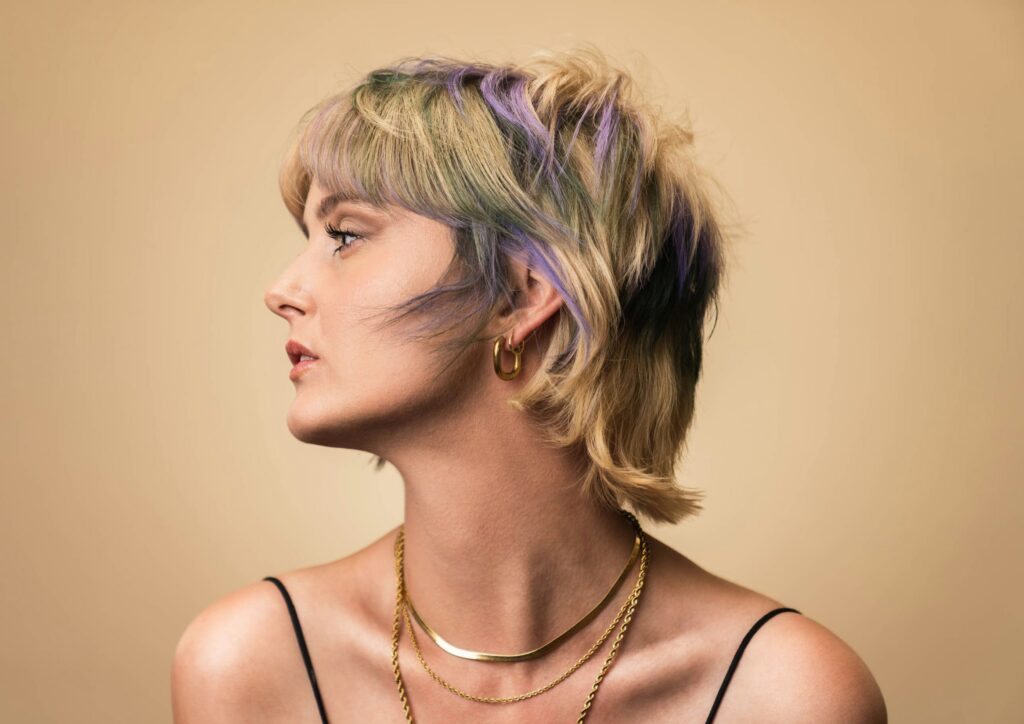
Curly Bixie
A softer shape that allows natural curls to add texture, movement and volume, making it an ideal choice for curly hair.
So, why do people get confused?
Hair trends move incredibly quickly, especially on social media. It’s very common for a haircut to be given a new name, even when it’s actually a variation of an existing style.
The important thing to remember is that no two haircuts are exactly the same. Your face shape, hair texture, density and styling routine all influence the finished result. Rather than focusing on the name of the haircut, it’s always best to bring along inspiration photos and chat through what you like about each one. That way, I can tailor the haircut to suit you and your hair, rather than trying to fit you into a trend.
About the author:
I’m Rebecca, a freelance hair stylist in Manchester with over 12 years of experience working with colour, highlights, cuts and everyday haircare. I do not sell products in the salon, so my advice is based on what I genuinely find useful for clients, not what I am trying to push.