Dandruff and dry scalp are common problems and easy to confuse. They can both leave your head feeling itchy and uncomfortable. However, they need different types of care.
Dandruff is linked to excess oil, build-up, and imbalance on the scalp. Dry scalp is more about a lack of moisture in the skin. It’s important to know the difference because using the wrong treatment could make the problem worse and slow the process of getting rid of it.
As a hair stylist, I see both of these issues often and speak to clients who aren’t sure whether their scalp is oily, dry, flaky, or sensitive. In this blog, I’ll explain what dandruff and a dry scalp are, the difference between the two, and how you can manage them effectively.
Important note:
I’m Rebecca, a freelance hair stylist in Manchester with 12 years of experience working with clients’ hair and scalp concerns. I can help you look at your haircare routine, product use, washing habits and scalp comfort from a stylist’s perspective.
I cannot diagnose medical scalp conditions, so if your scalp is very sore, red, swollen, bleeding, or intensely itchy, or if the problem does not improve with over-the-counter treatment, it is best to speak to a pharmacist, GP, or dermatologist.
Quick answer: how do you treat dry scalp and dandruff?
Dandruff is usually treated with an anti-dandruff shampoo used consistently for several weeks. Dry scalp is usually helped by gentler, more moisturising haircare, thorough rinsing, avoiding irritating products and reducing anything that strips moisture from the scalp.
If you are not sure which one you have, look at how your scalp feels. Oily, larger flakes are more likely to be dandruff. Tightness, dryness and smaller powdery flakes may point towards dry scalp. If symptoms are severe, persistent or spreading beyond the scalp, ask a pharmacist or GP for advice.
Dry scalp vs dandruff: what’s the difference?
| Sign | Dry scalp | Dandruff |
| Flakes | Usually smaller, drier and more powdery | Often larger, oilier, white, grey or yellowish |
| Scalp feel | Tight, dry, sensitive or irritated | Itchy, oily, coated or flaky |
| Hair feel | Hair may feel dry overall | Roots may feel oily or heavy |
| Common triggers | Cold weather, hot water, harsh products, over-washing, dry indoor air | Oil build-up, scalp imbalance, stress, cold weather, not cleansing enough |
| What usually helps | Gentle shampoo, moisturising haircare, better rinsing, less irritation | Anti-dandruff shampoo, consistent scalp cleansing, pharmacist advice if needed |
What is dandruff?
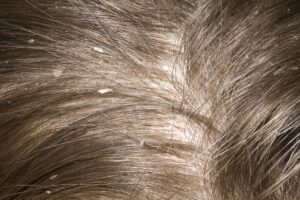
Dandruff is a common scalp condition that causes flaking of the skin. It causes white, grey, or sometimes yellowish flakes to appear on the scalp and in the hair. It is not caused by poor hygiene, and it is not something you can catch from someone else.
One of the main culprits behind dandruff is a yeast-like fungus called Malassezia. This fungus lives on most adult scalps and feeds on the natural oils produced by your skin. While it’s usually harmless, in some people it can trigger irritation that leads to dandruff.
Some people may also experience dandruff-like flaking because of other scalp or skin conditions, such as seborrhoeic dermatitis, eczema, psoriasis, contact dermatitis or ringworm. This is why it is worth getting advice if your scalp is very red, swollen, sore, crusted, bleeding, or you have patches of hair loss.
What causes dandruff?
The common causes of dandruff are:
- Cold weather
- Stress
- An excessively oily scalp
- Product build-up
- Skin conditions such as eczema, psoriasis, or ringworm
- Dandruff can come and go. It may become more noticeable during colder weather, stressful periods, or when the scalp is not being cleansed regularly enough. It can also look worse on darker hair or if flakes fall onto your clothes.
How can I treat dandruff?
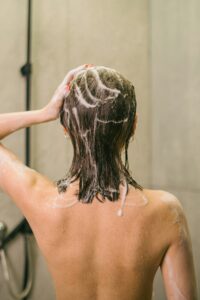
Start with regular washing using a good-quality shampoo and conditioner. If you find that conditioner makes your dandruff worse, try a lightweight conditioner and only apply it to the ends of your hair—avoid the scalp.
If your dandruff is more severe, try a medicated shampoo. These are often stronger, so use them in moderation, alternating with your regular shampoo to avoid over-drying. Common active ingredients used in anti-dandruff shampoos include selenium sulphide, ketoconazole, and coal tar with salicylic acid.
As a hairdresser, I don’t usually recommend shampoos like Head & Shoulders. While they might seem effective, they can be quite harsh and strip your scalp of its natural oils. Instead, try one of these:
- L’Oréal Professionnel Serie Expert Scalp Advanced Anti-Dandruff Dermo Clarifier
- Philip Kingsley Flaky/Itchy Scalp Anti-Dandruff Shampoo
It is also important to give the shampoo enough time to work. Use it as directed for several weeks rather than switching products after one or two washes. When using an anti-dandruff shampoo, focus it on the scalp and roots. Let the product sit for the recommended time if the instructions say to do this, then rinse thoroughly. Conditioner can still be used on the mid-lengths and ends, but avoid applying rich conditioner directly to the scalp if it makes the flakes worse.
What not to do if your scalp is flaky
If your scalp is flaky, try to avoid making quick assumptions. Not all flakes mean the scalp is dry.
Avoid:
- Covering an oily, flaky scalp in heavy oils
- Applying rich conditioner directly to the scalp if it makes flakes worse
- Scratching aggressively, as this can make irritation worse
- Switching products every few days before giving anything time to work
- Using lots of dry shampoo without properly washing the scalp
- Ignoring redness, swelling, soreness, bleeding or patchy hair loss
A flaky scalp is usually manageable, but if it is painful, persistent or severe, it is better to get advice than to keep guessing.
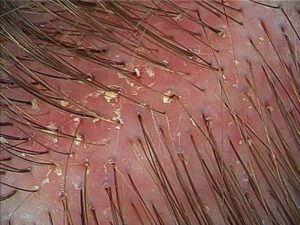
What is a dry scalp?
A dry scalp happens when the skin loses too much moisture and doesn’t produce enough oil to stay hydrated. This can also make your hair feel dry and brittle.
A dry scalp can feel tight, itchy, sensitive, or uncomfortable, and the flakes are often finer and drier than dandruff flakes. You may be more likely to have a dry scalp if the rest of your skin is dry too, or if your scalp feels worse in cold weather, dry indoor air, after using hot water, or after using products that strip or irritate the scalp.
Dry scalp is more about moisture and sensitivity. Dandruff is more about oil, build-up and scalp imbalance. That is why the same routine will not work for everyone.
What causes a dry scalp?
A dry scalp can be triggered by several everyday factors, including:
- Cold weather and dry indoor heating
- Washing with very hot water
- Harsh shampoos or strong fragrances
- Over-washing or stripping the scalp
- Not rinsing shampoo and conditioner out properly
- Dry shampoo or styling product build-up
- Hard water
- Age-related skin dryness
- Skin sensitivities or conditions such as eczema or psoriasis
Sometimes the issue is not one single hair product, but the whole routine. For example, hot water, frequent washing, dry shampoo, styling products, and heat styling can all add up, leaving the scalp feeling tight or irritated.

How can I treat a dry scalp?
Use gentle, hydrating shampoos and conditioners, and always apply a heat protectant before blow-drying. Avoid going to bed with wet hair, imagine not drying your hands after washing them, they would be so dry!
For a dry scalp, the aim is to reduce irritation and help the scalp feel more comfortable. You can try:
- Switching to a gentle, moisturising shampoo
- Avoiding very hot water when washing your hair
- Rinsing shampoo and conditioner thoroughly
- Reducing dry shampoo if it is building up on the scalp
- Avoiding heavy styling products directly on the scalp
- Using conditioner on the mid-lengths and ends rather than the roots
- Taking a break from strong fragrances or products that make the scalp itch
- Using heat protection before blow-drying
- Avoiding scratching, even if the scalp feels itchy
Weekly deep conditioning treatments can help restore shine and moisture to your hair. You can also use a scalp toner directly on your scalp and massage it in to soothe and hydrate. Here are a couple I recommend:
- Philip Kingsley Density Stimulating Scalp Toner (150ml)
- Philip Kingsley Stimulating Daily Scalp Toner (250ml)
If you think a product is irritating your scalp, stop using it for a while and simplify your routine. A gentle shampoo, careful rinsing and fewer styling products can sometimes make a noticeable difference.
A simple scalp care routine to try
Here are two tailored routines for tackling dandruff and dry scalp.
| Dandruff | Dry scalp |
| Use an anti-dandruff shampoo as directed. Focus the shampoo on the scalp, not the ends. Rinse thoroughly. Use conditioner only on the mid-lengths and ends. Avoid heavy oils on the scalp. Give the routine several weeks before deciding whether it works | Use a gentle, moisturising shampoo. Avoid very hot water. Rinse products out properly. Reduce dry shampoo and styling product build-up. Use conditioner or treatments through the lengths and ends. Be careful with heat styling and always use heat protection |
When should you ask a pharmacist, GP, or dermatologist?
Hair stylists can only offer so much advice on dandruff and a dry scalp. A hairdresser can help you review your routine and choose gentler haircare habits, but medical scalp conditions need medical advice. Speak to a GP or dermatologist if:
- Your dandruff does not improve after using anti-dandruff shampoo for around a month
- Your dandruff is severe or your scalp is very itchy
- Your scalp is red, swollen, sore, bleeding or warm to the touch
- You have flaky, itchy patches on your face or other parts of your body
- You have crusting, broken skin or patchy hair loss
- You think you may have eczema, psoriasis, ringworm or an allergic reaction
Need help choosing a gentler haircare routine?
If your scalp feels dry, itchy, or flaky, and you are not sure whether your current products are helping, I can help you look at your routine from a haircare perspective.
During a free, no-obligation consultation, we can talk through how often you wash your hair, which products you use, how your scalp feels, whether your colour or styling routine may be contributing to dryness, and which gentler options might suit your hair.
About the author:
I’m Rebecca, a freelance hair stylist in Manchester with 12 years of experience working with colour, highlights, cuts and everyday haircare. I do not sell products in the salon, so my advice is based on what I genuinely find useful for clients, not what I am trying to push.