
In recent years, curly hair has become a trend, and more people are embracing their natural texture. I think this is partly because there are now so many more product options than just mousse that makes your hair feel crispy!
TikTok has also played a big role in the curly hair comeback. There have been so many videos circulating with people saying, “If your hair gets frizzy when you brush it, it might actually be curly.” In the past, many people straightened their hair to get rid of frizz, which often led to dryness or even damaged their natural curl pattern.
The good news is that many people can encourage their natural texture back with the right haircut, moisture, curl-friendly products and gentle styling routine. The honest answer, though, is that severely heat-damaged or chemically damaged hair may need to be cut away gradually as it grows.
As a curly hair stylist in Manchester, I often help clients who want to stop fighting their natural texture and learn how to work with it again. In this blog, I’ll talk about how you can transition back to your natural hair, whether it’s wavy or curly. I’ll explain which products to use, styling methods, and what the overall process might look like.
Quick answer: how do you restore natural curls?
To restore natural curls, start by cutting away damaged ends, stop or reduce heat styling, switch to gentle curl-friendly products, deep condition regularly, detangle carefully when wet, apply styling products to very wet hair, and use drying methods that protect the curl pattern, such as diffusing.
You may see some improvement quickly, especially if your hair is only dry or weighed down by product build-up. If the hair is heat-damaged, bleached, or chemically damaged, it may take months of consistent care and regular trims for your natural texture to return properly.
Why has my natural curl pattern changed?
Your curl pattern can look different for several reasons. Sometimes the curl is still there, but it is being weighed down, dried out or stretched by your routine. Other times, the hair has been damaged and the affected sections cannot curl in the same way anymore.
Common reasons curls lose definition include:
- Regular straightening, curling or high-heat blow-drying
- Bleach, colour or chemical treatments
- Dryness and lack of moisture
- Product build-up from heavy creams, oils, silicones or styling products
- Brushing the hair when dry
- Using products that are too harsh or too heavy for your texture
- Wearing the hair tightly pulled back for long periods
- Not having enough shape or layering in the cut
The first step is working out whether your curls are hidden under dryness and build-up, or whether the hair is genuinely damaged. That will affect how quickly you see results.
Steps to restoring your natural curls
Step 1: get a haircut
When someone wants to restore their natural curls, the aim is not to force the hair into a curl pattern it does not have. It is to remove damage, reduce habits that flatten or stretch the curl, add moisture back in, and choose styling techniques that help the natural texture show itself.
If your roots are curly but the ends are straight, it likely means your ends are damaged and need to be cut off. Cutting off dead ends will make the transition much easier. If your curls have changed because of heat, bleach, or chemical damage, some sections may not bounce back fully. That is why a good cut, patience and a realistic plan are so important.
Getting a curly haircut is also great for adding shape. Sometimes, curls get weighed down, so adding layers and shape can help bring them back to life. For curly hair, I usually recommend getting a haircut every three months. This way, you keep it healthy without needing drastic cuts each time. A hair consultation with a stylist will help you decide on the best cut to go with.
Step 2: invest in a good shampoo and conditioner
Curly/wavy hair can be tricky because some shampoos are too heavy, while others are too light. Here’s how to narrow it down based on your hair type:
- Finer wavy/curly hair → Go for a hydrating shampoo and conditioner. This provides moisture without being too heavy.
- Thicker, tighter curls → Choose a moisturising shampoo and conditioner to deeply hydrate your hair and make your curls softer and less coarse. In my blog, I cover the best shampoos for all hair types. Here are my curly hair product recommendations:
- Shampoo: Lightweight, hydrating, and enriched with coconut oil and plant-based vitamins. UNITE – BOING™ Curl Shampoo – Unite Hair UK
- Conditioner: Just like the shampoo packed with oil and plant-based vitamins meaning your curls are being tamed and adding moisture. UNITE – BOING™ Curl Conditioner – Unite Hair UK
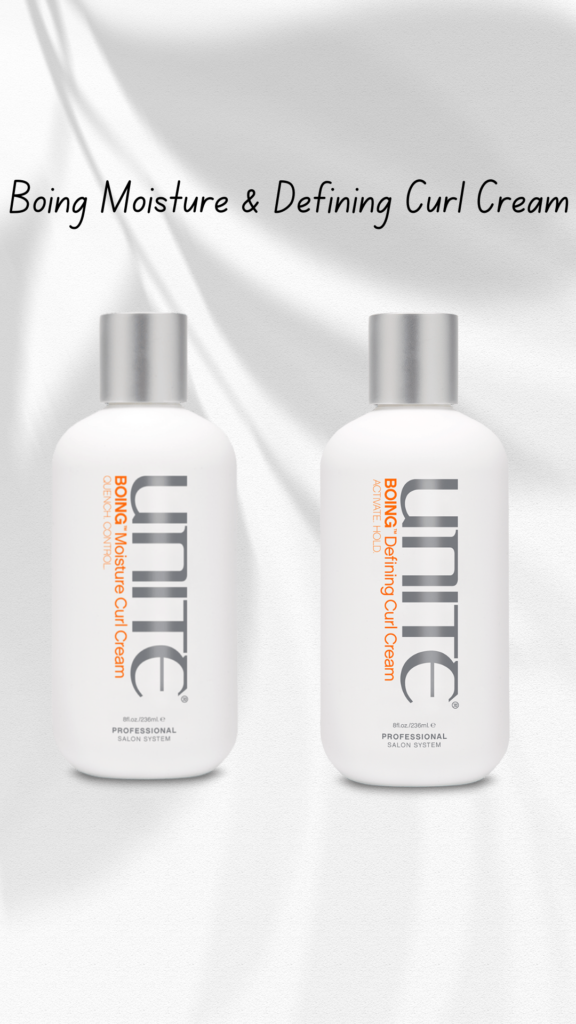
- Moisture Curl Cream: Adds hydration for dry curls without stiffness. UNITE – BOING™ Moisture Curl Cream – Unite Hair UK
- Defining Curl Cream: Provides definition and hold for more structured curls .UNITE – BOING™ Defining Curl Cream – Unite Hair UK
Check out my blog on the best shampoos here.
Step 3: use the right styling products
I always recommend starting with a heat protectant spray and a leave-in conditioner – both are great for textured hair.
When your hair is wet, apply a heat protector or leave-in conditioner first. Then, choose a curl cream, curl gel, or mousse (depending on your preference).
Here are two ways I apply products:
1. Twist method (for more defined curls)
- Apply a 10p-sized amount of product to your hands and distribute it evenly.
- Section your hair. Take a finger-width section and twist it—this ensures even product distribution.
- Repeat for the rest of your hair, working in sections (left side, then right, then back).
- This YouTube video is a good example of finger coiling.
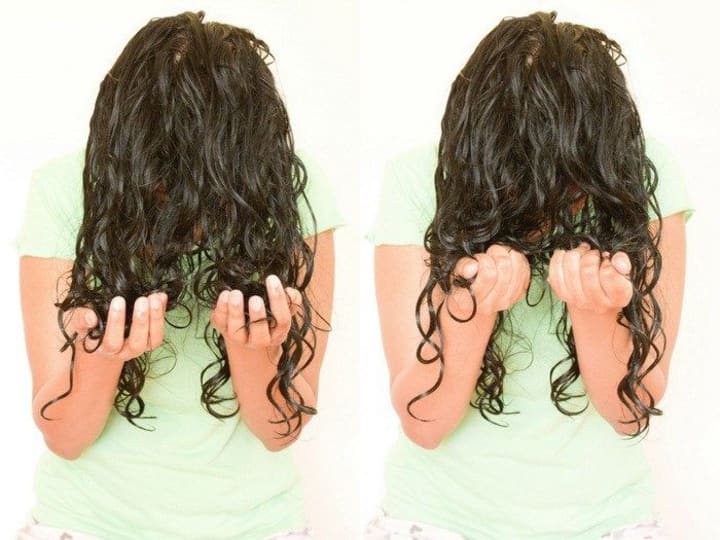
2. Scrunching method (for a more natural wave)
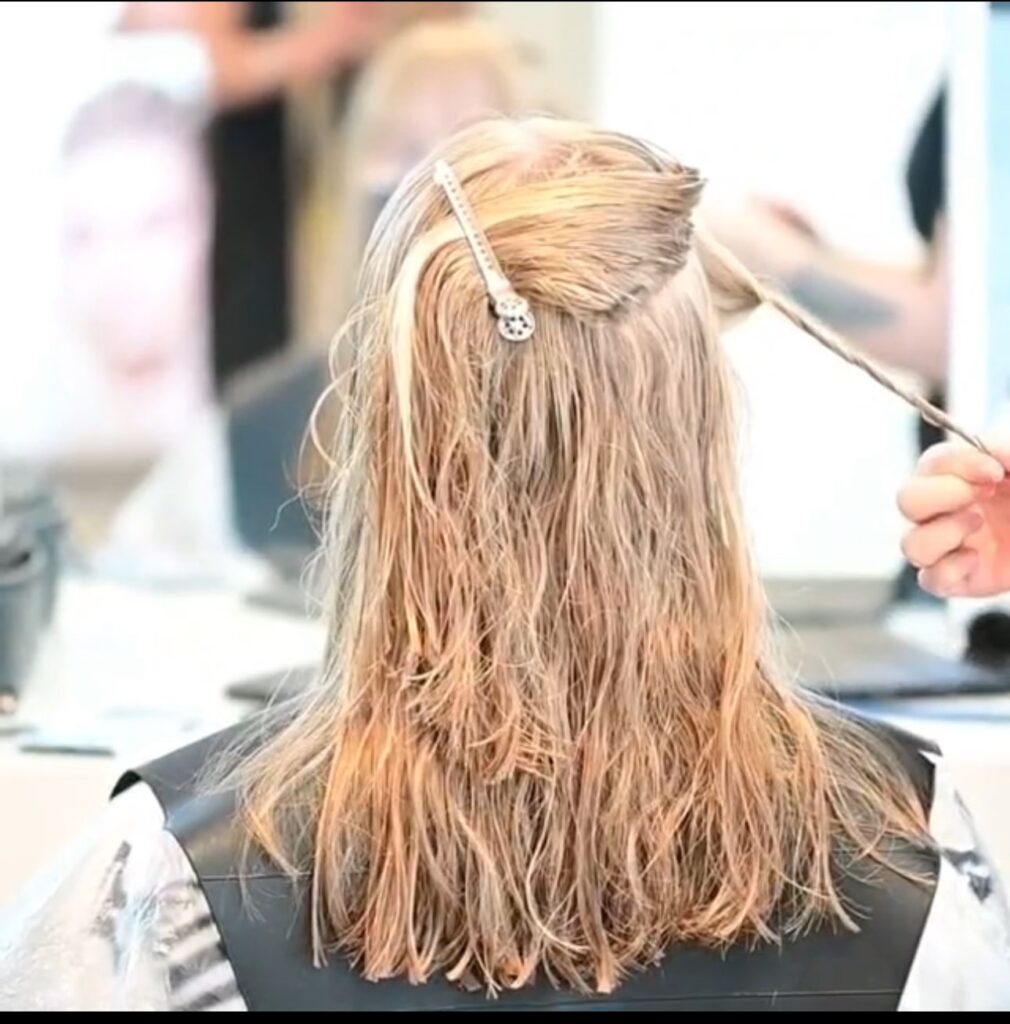
- Section your hair and comb through each section with a wide-tooth comb.
- Gather the hair in the palm of your hand, scrunch it up to the roots, then release.
- If your hands feel dry, apply a bit more product and repeat.
- This YouTube video shows how to scrunch your hair perfectly.
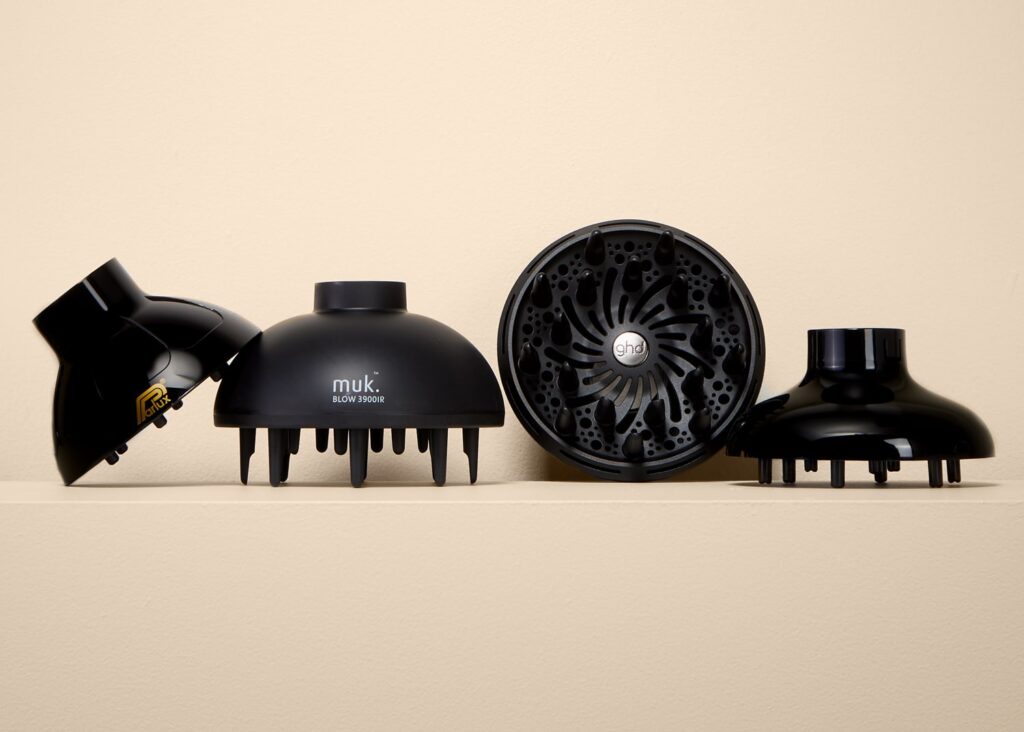
Drying with a diffuser
- Use low heat and Medium speed.
- Try not to touch your hair too much—this can cause frizz. Instead, count to 10 in one section before moving on.
- Start at the roots, then move to the ends.
- You don’t have to dry your hair 100%—leaving it slightly damp can actually help control frizz.
- Find out how to diffuse your hair in this YouTube video.
Tip: If you’re using mousse, dry your hair enough so it doesn’t stay crunchy. The drier it gets, the softer it will be! Mousse is better for thicker hair rather than fine hair.
Check out my product blog for recommendations!
Tip: Spraying hairspray on wet hair can help prevent frizz!
Once you’re done drying, I like to use hair oil to break up the curls or simply shake the hair out to keep it from looking too “set.” Just be careful not to pull at the curls too much, or you might ruin them!

Step 4: Refresh your curls without washing
If your curls need a refresh but you don’t want to wash your hair, try spraying a leave-in conditioner throughout to revive them! Wash less often, but wash properly
Curls are often naturally drier because the oils from the scalp do not travel down the hair as easily. Washing too often can strip the hair and make curls look frizzy, fluffy or undefined. Most curly or wavy hair does not need shampooing every day. Many people do better washing once or twice a week, then refreshing in between with water, conditioner or styling product.
If you are trying to restore your curls, moisture is one of the biggest priorities. Dry curls often look stretched, frizzy or shapeless because the hair does not have enough flexibility to clump and spring back.
Use conditioner every time you wash your hair, and add a deep conditioning mask once a week or every couple of weeks, depending on how dry your hair feels. When applying conditioner or a mask, focus on the mid-lengths and ends. Use your hands to gently squeeze the product into the hair rather than just smoothing it over the top. This helps encourage curl clumps and makes the hair feel more hydrated.
Can damaged curls really come back?
If your curls are limp due to dryness, product buildup, or an improper routine, you may see a difference after clarifying, deep conditioning, and changing how you style your hair. If the hair is heat-damaged, bleached, or chemically altered, the damaged parts may not fully curl again.
In that case, the best approach is usually to trim gradually, protect the new growth and build a routine that supports your natural texture as it grows out. You do not always need a dramatic “big chop”, but you do need to be honest about which parts of the hair are still healthy enough to curl.
Finally, one last point
Transitioning back to your natural hair is a process—the more you do it, the better your curls/waves will get. So, don’t give up too quickly!
FAQs about restoring curly hair
Can I get my natural curls back after straightening my hair for years?
Possibly, yes. If your curls are stretched because of dryness, build-up or styling habits, they may start to come back with a better routine. If parts of your hair are permanently heat-damaged, those sections may need to be trimmed away as your natural texture grows.
How long does it take to restore natural curls?
It depends on the condition of your hair. Some people see improvement after a few washes, especially if product build-up is the issue. If your hair is heat-damaged, bleached, or chemically treated, it may take several months of regular trims and gentle care.
Do I need to cut my hair to get my curls back?
Not always, but cutting damaged ends usually helps. If your roots are curly and your ends are straight, the ends may be too damaged to curl properly. You can either cut more off at once or remove the damage gradually with regular trims.
Should I use oil on curly hair?
A small amount of light oil or serum can help seal moisture into the ends, especially if your hair is dry. Avoid using too much oil near the roots if your hair is fine or easily weighed down.
What products help restore natural curls?
Start with a gentle cleanser, a moisturising conditioner, a deep conditioning mask, a leave-in conditioner, and a curl cream, mousse, or gel. The right choice depends on your curl type, hair thickness and how easily your hair gets weighed down.
Need help getting your curls back?
If you are ready to work with your natural texture but are not sure where to start, a curly hair consultation can help.
I can look at your current cut, curl pattern, damage, product routine, and styling habits, then talk you through the best way to bring your natural texture back. Whether you need a small reshaping trim, a bigger cut, or a simpler routine, we can create a plan that feels realistic for your hair. Book a free consultation with me today.
About the author:
I’m Rebecca, a freelance hair stylist in Manchester with 12 years of experience working with colour, highlights, cuts and everyday haircare. I do not sell products in the salon, so my advice is based on what I genuinely find useful for clients, not what I am trying to push.